Spiti Valley, nestled in the rugged Himalayas of Himachal Pradesh, is a dream destination for adventure seekers and nature lovers. Known for its stark landscapes, ancient monasteries like Key Monastery and Tabo Monastery, and high-altitude villages, this cold desert offers an unforgettable journey.
Best Routes to Spiti Valley
There are two primary routes: via Manali (shorter but tougher) and via Shimla (longer but safer with gradual ascent).
- Spiti Valley from Manali (Best Route via Manali)
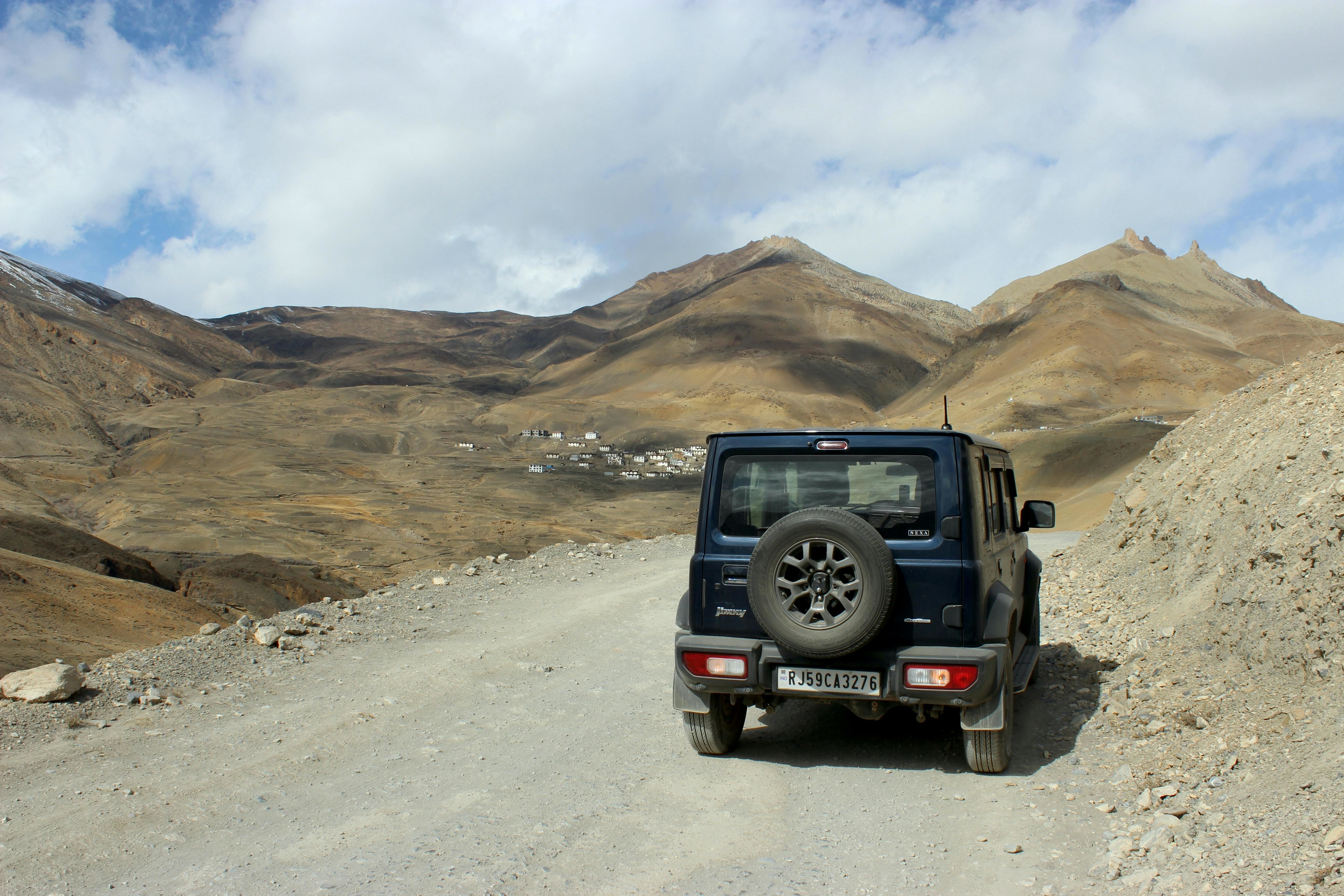
This is the most popular road due to its dramatic scenery.
-
Route: Delhi/Chandigarh → Manali → Atal Tunnel → Gramphu → Kunzum Pass → Losar → Kaza.
-
Distance: Approximately 200 km from Manali to Kaza; 720-740 km from Delhi.
-
Time: 1-2 days from Manali; 2-3 days from Delhi.
-
Highlights: Rohtang Pass views (bypassed by Atal Tunnel), Kunzum Pass, Chandratal Lake access.
-
Road Status: Open June to October; closed in winter due to snow at Kunzum Pass and NH505 (Keylong-Kaza road).
-
Why Choose This?: Shorter distance to Spiti Valley, thrilling for adventure enthusiasts.
For the best route to Spiti via Manali, acclimatize in Manali and check the Manali to Kaza road status before departing.
- Spiti Valley from Shimla (Spiti Valley Route via Kinnaur)
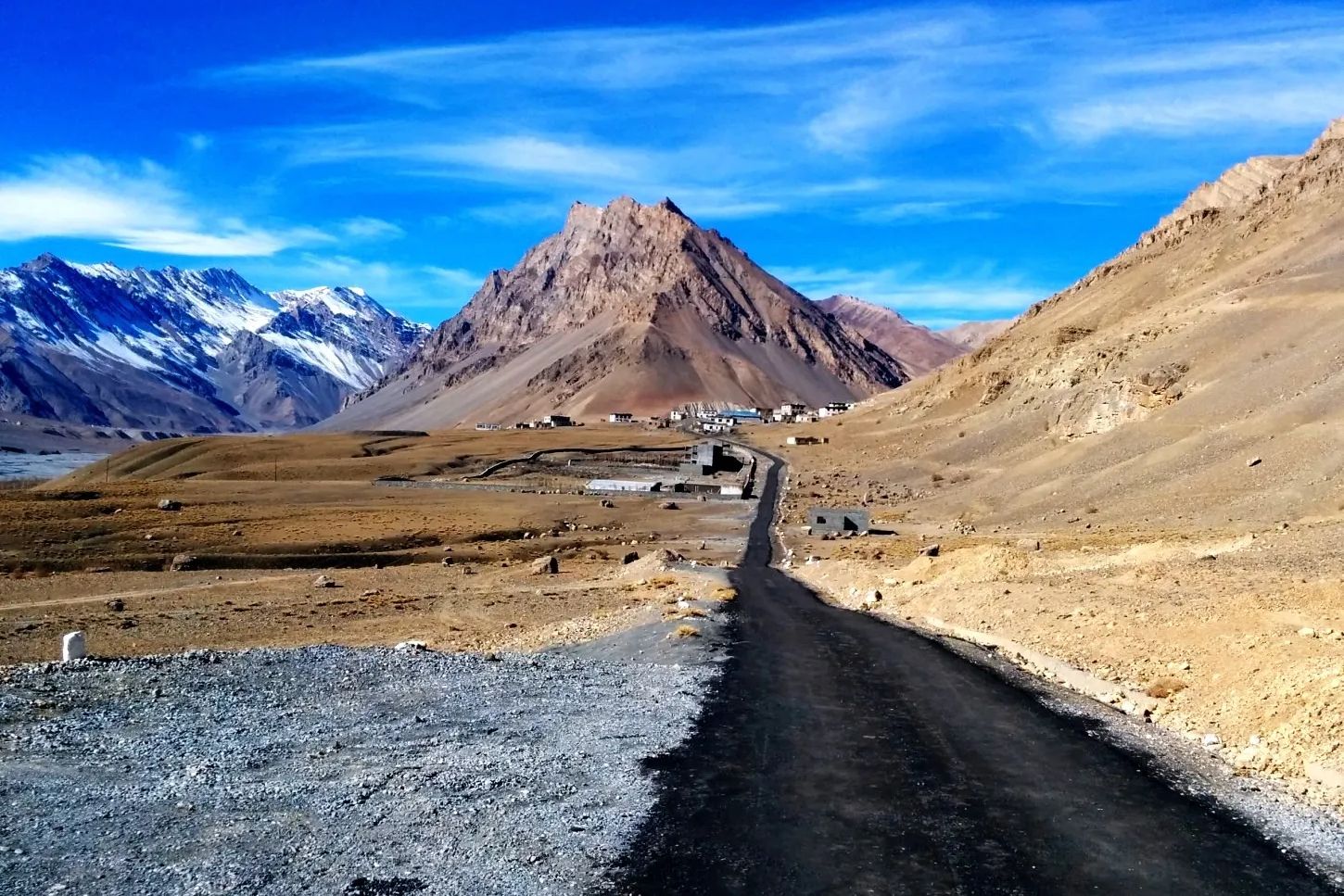
Recommended for first-time travelers and those prone to altitude sickness.
-
Route: Delhi/Chandigarh → Shimla → Narkanda → Rampur → Reckong Peo/Kalpa → Nako → Tabo → Kaza.
-
Distance: About 420 km from Shimla to Kaza; 730-750 km from Delhi.
-
Time: 2-3 days from Shimla; 3-4 days from Delhi.
-
Highlights: Scenic Kinnaur Valley, Hindustan-Tibet Highway (NH5), stops at Sangla Valley, Nako Lake, and Tabo Monastery.
-
Road Status: Open year-round (with occasional landslides); preferred in winter.
-
Why Choose This?: Gradual altitude gain reduces risk of high-altitude sickness in Spiti; more scenic detours.
Generally the Shimla route is better for Spiti Valley, especially for families or solo trips.
Spiti Valley Transportation Options
by Road (Most Popular)
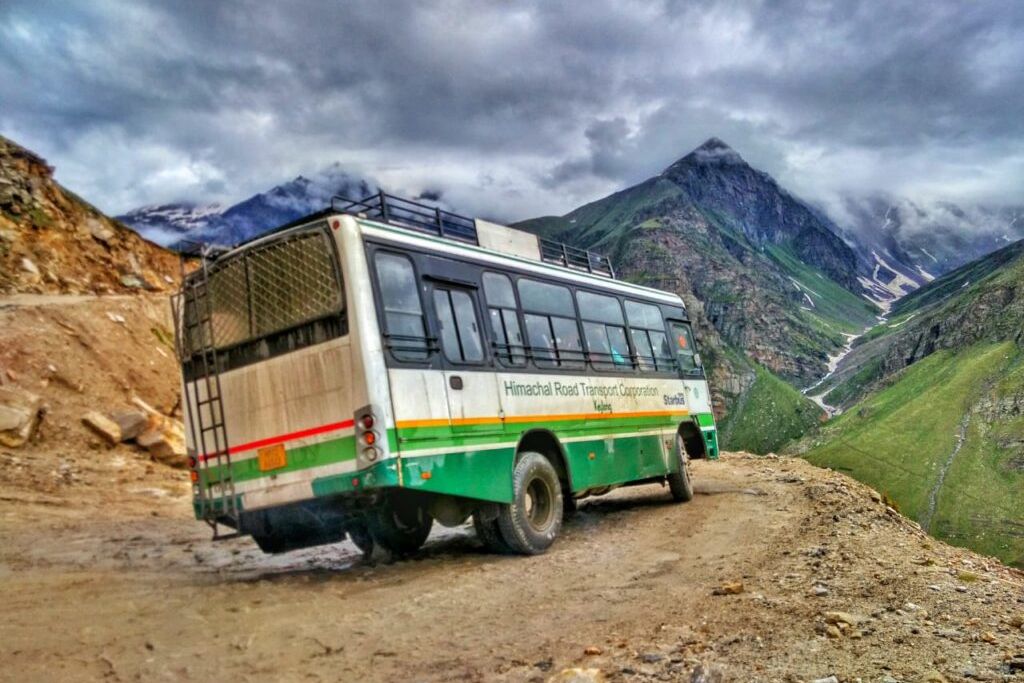
Road trips are the essence of Spiti travel. Whether self-driving, biking, or by bus/taxi:
-
HRTC Bus to Spiti: Cheapest way to reach Spiti Valley.
- From Shimla: Daily buses to Kaza (16-24 hours).
- From Manali: Seasonal buses to Kaza (June-October).
- Shimla to Kaza bus and Reckong Peo to Kaza options available.
-
Shared Taxi or Private Hire: Available in Manali/Shimla .
-
Without Own Vehicle: Buses or shared taxis make it easy for those without own vehicle.
Can I Reach Spiti Valley by Flight or Train ?

No direct flight or train options are available.
-
Spiti Valley by Air: Nearest airport is Bhuntar (Kullu-Manali Airport), ~250 km from Kaza. Fly to Bhuntar, then travel by road via Manali.
-
Spiti Valley by Train: Nearest railway stations are Shimla or Chandigarh. After reaching continue by road/bus.
Essential Travel Tips

Planning a Spiti tour requires preparation:
-
Altitude Sickness: Common issue. Acclimatize gradually (Shimla route helps), stay hydrated, avoid alcohol. Carry medicines.
-
Permits: Indians need no Inner Line Permit. Foreigners require one for restricted areas (obtain in Reckong Peo or Shimla).
-
Fuel Stations: Sparse—fill up in Manali, Reckong Peo or Kaza (world’s highest retail outlet).
-
Mobile Network: Limited; BSNL works best in Kaza and major spots.
-
Road Conditions: Check latest updates; prone to landslides.
-
Accommodation: Homestays in Spiti are authentic and cozy.
-
Itinerary Planning: 8-10 days ideal for circuit (Shimla entry, Manali exit).
-
Cheapest Way: HRTC buses and homestays.
-
How Many Days from Delhi?: 10-12 days for a relaxed trip.
Take Aways
For first-time travelers or planning a solo trip to Spiti, start via Shimla for better acclimatization.
Reaching Spiti Valley is an adventure in itself. Whether you choose a scenic road trip, a budget-friendly bus journey, the experience is unforgettable.
If you’re planning a solo trip, traveling without your own vehicle, or visiting in winter, advance planning is key. Use this guide to choose the best route and begin your journey into one of the most mesmerizing landscapes in India.